vertical default
Benefits of Going to the Gym Regularly

Going to the gym regularly offers a wide range of physical and mental health benefits. Consistent workouts help improve cardiovascular health, build muscle strength, enhance flexibility, and support weight management. Beyond physical improvements, gym training is known to reduce stress, anxiety, and symptoms of depression by releasing endorphins. Regular gym sessions also improve sleep quality and boost overall energy levels. For many people, the gym becomes a structured routine that encourages discipline, goal setting, and self-confidence. Whether you focus on strength training, cardio, or functional workouts, the gym provides an environment that supports long-term healthy habits and personal growth.
Beginner’s Guide to Starting at the Gym

Starting at the gym can feel intimidating, especially for beginners. The best approach is to begin with basic exercises and learn proper form. Warm-ups, stretching, and understanding equipment help prevent injuries. Beginners should focus on full-body workouts with light weights and controlled movements. Consistency matters more than intensity in the early stages. Setting realistic goals and tracking progress builds confidence. Most gyms also provide trainers or induction sessions to guide new members safely and effectively.
Strength Training vs Cardio Workouts
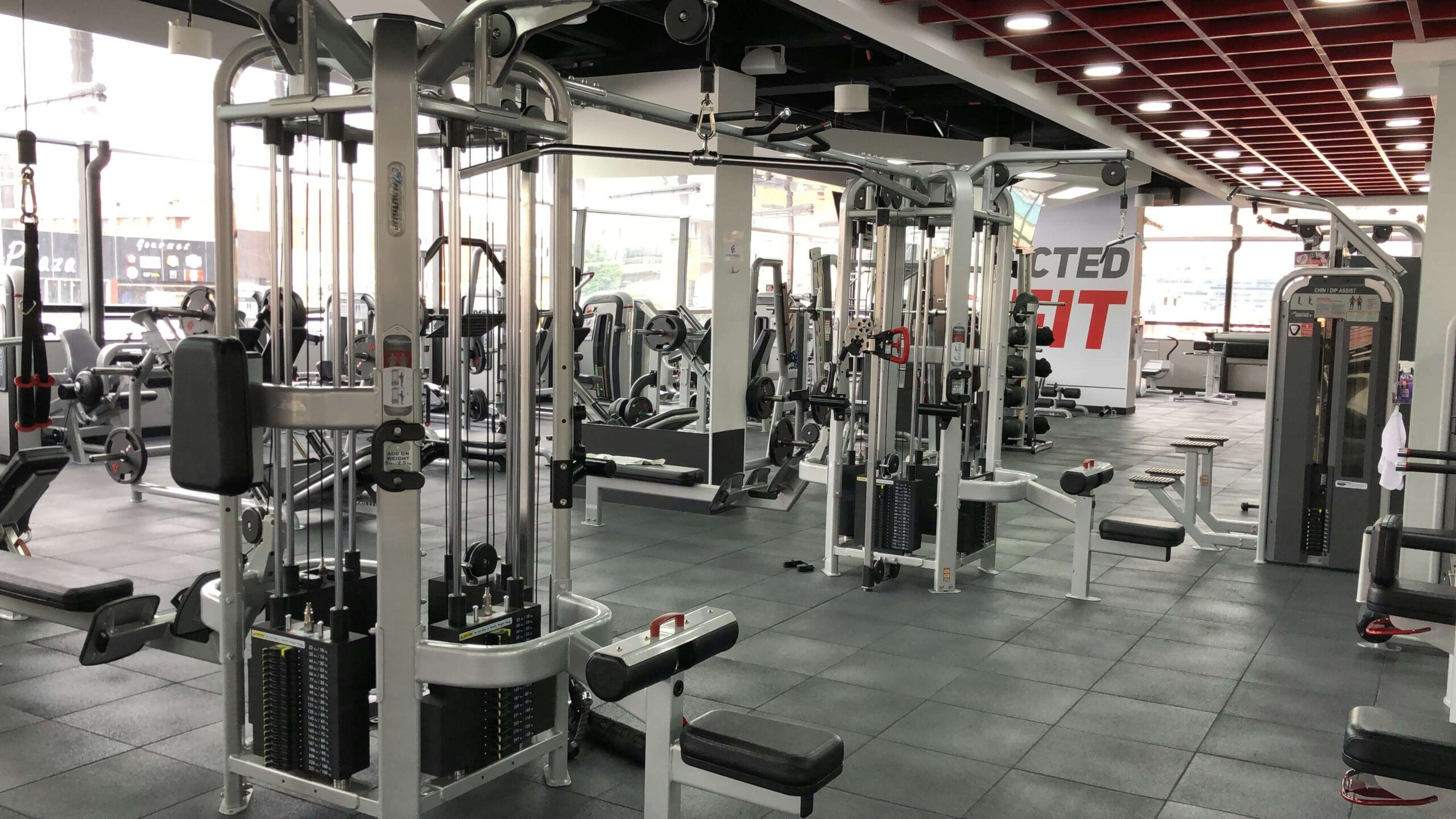
Strength training and cardio workouts serve different but complementary purposes. Strength training builds muscle, increases bone density, and boosts metabolism. Cardio improves heart health and burns calories efficiently. A balanced routine combining both improves endurance, strength, and body composition. The ideal balance depends on personal goals such as fat loss, muscle gain, or overall fitness.
Importance of Warm-Up and Cool-Down

Warm-up and cool-down sessions are often overlooked but are critical parts of any gym workout. A proper warm-up prepares muscles and joints for exercise, reducing the risk of injury and improving performance. Cool-down exercises help gradually lower heart rate, prevent muscle stiffness, and aid recovery. Stretching after workouts improves flexibility and reduces soreness. Incorporating these routines ensures safer training sessions and promotes long-term gym consistency.
Gym Equipment Every Member Should Know

Understanding basic gym equipment helps members train effectively and safely. Machines like treadmills, rowing machines, and stationary bikes are great for cardio. Free weights, resistance machines, and kettlebells are essential for strength training. Knowing how to adjust seats, weights, and grips improves workout quality and reduces injury risk. Familiarity with equipment also boosts confidence, making gym sessions more productive and enjoyable.
Creating an Effective Gym Workout Plan

An effective gym workout plan is structured, goal-oriented, and realistic. It should include a balance of strength training, cardio, and rest days. Planning workouts in advance saves time and ensures consistency. A good plan adapts to progress, increasing intensity gradually. Tracking results helps maintain motivation and highlights areas for improvement. Whether aiming for muscle gain or fat loss, a clear gym plan leads to better results.
Role of Nutrition in Gym Performance

Nutrition plays a major role in gym performance and recovery. Consuming the right balance of proteins, carbohydrates, and healthy fats fuels workouts and supports muscle growth. Hydration is equally important for endurance and focus. Pre-workout meals boost energy, while post-workout nutrition aids muscle repair. A well-planned diet enhances results and reduces fatigue during training.
Common Gym Mistakes to Avoid

Many gym-goers make mistakes that slow progress or cause injuries. Poor form, skipping warm-ups, lifting too heavy, and ignoring rest days are common errors. Overtraining can lead to burnout and muscle strain. Avoiding these mistakes by focusing on proper technique and recovery ensures sustainable progress and long-term gym success.
Staying Motivated to Go to the Gym

Motivation is essential for long-term gym commitment. Setting clear goals, tracking progress, and varying workouts prevent boredom. Working out with friends or listening to music can increase enjoyment. Celebrating small achievements keeps motivation high and builds consistency over time.
Gym Training for Weight Loss

Gym training is highly effective for weight loss when combined with proper nutrition. Cardio exercises burn calories, while strength training builds muscle and increases metabolism. A structured workout routine improves fat loss results. Consistency and patience are key to sustainable weight loss success.
Gym Training for Weight Loss
Gym Training for Weight Loss
Gym Training for Weight Loss
Benefits of Maintaining Good Health

Building a Strong Foundation for Life
Maintaining good health is essential for a long and productive life. Regular physical activity, a balanced diet, and proper sleep contribute to improved immunity, energy levels, and mental well-being. Healthy individuals are more likely to stay active, focused, and motivated in their personal and professional lives.
Preventing Chronic Diseases Naturally
Good health significantly reduces the risk of chronic diseases such as diabetes, heart disease, and obesity. Regular check-ups, stress management, and proper hydration further strengthen overall wellness. Practicing healthy habits encourages discipline and builds a positive lifestyle foundation for longevity and happiness.
Importance of Balanced Diet

Nutrients That Fuel the Body
A balanced diet is crucial for maintaining optimal health. Consuming fruits, vegetables, whole grains, lean proteins, and healthy fats provides essential nutrients that support immunity, energy, and brain function. Proper nutrition ensures the body performs efficiently every day.
Smart Eating for Long-Term Wellness
Avoiding processed foods, sugary drinks, and excess salt reduces the risk of chronic diseases. Portion control and consistent meal timing enhance digestion and metabolism. Balanced nutrition, combined with exercise, improves mood and supports weight management.
Benefits of Regular Exercise

Strengthening Body and Mind
Regular exercise strengthens the heart, builds muscle, and improves flexibility. It supports weight management and boosts stamina. Even moderate activities like walking, cycling, or yoga can significantly enhance physical health.
Mental Health and Energy Boost
Exercise releases endorphins that reduce stress and anxiety. A balanced routine including cardio, strength, and flexibility training improves sleep and cognitive function. Consistency is key to achieving lasting health benefits.
Mental Health Awareness

Understanding Emotional Well-Being
Mental health is a vital part of overall wellness. Stress, anxiety, and depression impact productivity and quality of life. Recognizing symptoms early encourages proactive care and emotional balance.
Breaking the Stigma
Mindfulness, therapy, physical activity, and social support promote mental strength. Raising awareness reduces stigma and fosters supportive communities, encouraging individuals to seek help when needed.
Importance of Hydration

Why Water Matters
Water regulates temperature, aids digestion, and removes toxins from the body. Proper hydration keeps skin healthy and supports organ function. Dehydration can lead to fatigue and headaches.
Daily Hydration Habits
Drinking adequate water and consuming water-rich foods improves metabolism and concentration. Replacing fluids lost during exercise ensures optimal performance and overall wellness.
Sleep and Health Connection

The Body’s Natural Repair System
Sleep allows the body to repair tissues, regulate hormones, and restore energy. Lack of sleep weakens immunity and increases stress levels. Adults should aim for 7–9 hours nightly.
Creating Better Sleep Habits
Maintaining a consistent schedule, limiting screen time, and creating a calm environment promote quality rest. Combining sleep with proper nutrition and exercise enhances overall well-being.
Preventive Health Checkups

Early Detection Saves Lives
Routine screenings for blood pressure, cholesterol, and blood sugar detect health risks early. Early intervention improves treatment outcomes and prevents complications.
Proactive Health Management
Vaccinations, dental visits, and eye exams are essential preventive measures. Staying proactive supports long-term health and longevity.
Stress Management Techniques

Understanding the Impact of Stress
Chronic stress can cause fatigue, headaches, and digestive problems. Managing stress is essential for mental and physical balance.
Practical Ways to Reduce Stress
Meditation, deep breathing, yoga, journaling, and hobbies help reduce stress. Prioritizing self-care and maintaining work-life balance strengthens resilience.
Category: Mental Wellness
Tags: stress relief, meditation, self-care, relaxation
Healthy Aging Tips

Staying Active and Engaged
Healthy aging involves regular exercise, balanced nutrition, and strong social connections. Staying active prevents age-related conditions and maintains independence.
Preserving Mental Agility
Cognitive exercises, hobbies, and lifelong learning keep the mind sharp. Preventive screenings further protect long-term health.
Immune System Boosters

Strengthening Natural Defenses
A nutrient-rich diet with vitamins and antioxidants supports immune function. Hydration and hygiene are equally important.
Lifestyle Habits for Immunity
Regular exercise, adequate sleep, and stress control enhance immune resilience. Avoiding smoking and excessive alcohol strengthens protection against illness.
Category: Immunity
Tags: immune system, vitamins, healthy habits, disease prevention